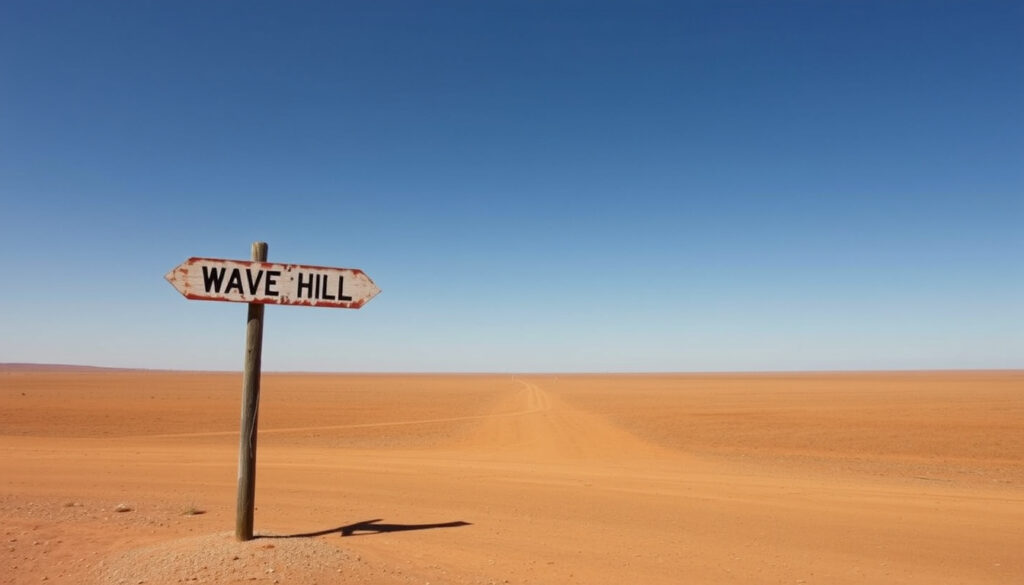
Vincent Lingiari: Biography, Wave Hill Walk-off, and Legacy
Few moments in Australian history carry the weight of a single gesture: soil poured into open hands. That gesture, between Prime Minister Gough Whitlam and an Aboriginal elder named Vincent Lingiari, ended a nine-year struggle that began with 200 workers walking off a cattle station. This article traces the life of the Gurindji leader who turned a wage protest into a land rights landmark, and explores what his legacy still means today.
Born: 1919, Victoria River Gorge, Northern Territory · Died: 21 January 1988 (aged 68–69) · Known for: Land rights activism, leading the Wave Hill walk-off · Wave Hill walk-off: 1966 · Land handover: 16 August 1975 · Famous quote: “We are all mates now”
Quick snapshot
- Born 1919 in Victoria River Gorge (Indigenous Australia (ANU) – academic biography)
- Led the 1966 Wave Hill walk-off (National Museum of Australia – national institution)
- Land handover from Gough Whitlam on 16 August 1975 (National Archives of Australia – government archive)
- Exact number of grandchildren or extended family details not publicly documented. (ANU – notes discrepancy)
- Some sources give alternate birth year (13 June 1908) vs 1919 (ANU – notes discrepancy)
- 1966: Walk-off begins – nine‑year protest (National Portrait Gallery – national collection)
- 1975: Land handover at Daguragu (National Archives of Australia)
- 2020: Native title granted over 5,000 km² (National Museum of Australia)
- Lingiari’s family continues community leadership roles.
- “Always Was, Always Will Be” motto now central to Indigenous sovereignty discourse.
Eight key facts about Vincent Lingiari, drawn from government archives, museum records and academic sources:
| Label | Value |
|---|---|
| Full name | Vincent Lingiari |
| Born | 1919, Victoria River Gorge, Northern Territory (ANU) |
| Died | 21 January 1988, aged 68–69 (National Portrait Gallery) |
| Occupation | Stockman, land rights activist |
| Known for | Leading the Wave Hill walk-off, securing land handover |
| Key event | Wave Hill walk-off (1966), land handover (1975) |
| Famous quote | “We are all mates now” (National Museum of Australia) |
| Awards/honors | Member of the Order of Australia (AM), posthumous recognition (National Portrait Gallery) |
What was Vincent Lingiari famous for?
Early life and work as a stockman
- Vincent Lingiari was born in 1919 at Victoria River Gorge in the Northern Territory, a member of the Gurindji people (National Portrait Gallery – national collection).
- His parents were Gurindji and worked on the Vestey‑owned Wave Hill cattle station. He received no formal education and began working as a stockman around age twelve (National Portrait Gallery).
Lingiari’s lack of formal schooling and early entry into station work were typical for Aboriginal stockmen of the era – a system that paid wages in rations rather than cash. That system itself became a flashpoint.
The Wave Hill walk-off (1966)
- On 23 August 1966, Lingiari led about 200 Aboriginal stockmen and their families off Wave Hill Station in protest of poor pay and conditions (National Museum of Australia).
- The walk‑off, known as the Wave Hill walk‑off or Gurindji strike, drew national attention and lasted nine years (National Portrait Gallery). It started as a wage protest and evolved into a land‑rights campaign.
- The National Archives of Australia confirms the walk‑off involved 200 Aboriginal people and was driven by work and pay grievances (National Archives of Australia – government archive).
The implication: what began as a strike over beef rations and tobacco became the most powerful land‑rights symbol in Australian history.
Land rights victory and handover (1975)
- After the Whitlam Government was elected in 1972, negotiations followed. On 16 August 1975, at Daguragu, Prime Minister Gough Whitlam poured a handful of soil into Lingiari’s hands, symbolically returning the land (National Archives of Australia).
- Two new leases were issued, giving the Gurindji title to 3,250 square kilometres of traditional lands, including their most sacred areas (National Portrait Gallery).
What was Vincent Lingiari’s famous quote?
The handover ceremony quote
At the 1975 handover, Lingiari said, “We are all mates now.” The National Museum of Australia records this line as a defining statement of the moment (National Museum of Australia).
Meaning and legacy of the quote
- The quote symbolises reconciliation and the end of a long struggle. It is often cited in discussions of Aboriginal land rights and Australian history.
- Its understated tone belies the nine‑year fight that preceded it – a classic example of quiet determination matched with formal power.
The pattern: Lingiari’s few words carry more weight than any political speech because they came from a man who had waited years to speak them.
What happened with Vincent Lingiari?
The Wave Hill walk‑off and strike
- In 1966, Lingiari led 200 Gurindji workers off Wave Hill Station. The strike lasted for years, drawing national and international attention to Aboriginal land dispossession (National Portrait Gallery).
- A Gurindji petition for land was rejected in 1967, but the campaign continued (National Portrait Gallery).
The Gurindji campaign for land
- The strike evolved from a wage protest into a land‑rights demand. The Gurindji sought the return of their traditional lands, not just better pay.
- By 1972, the election of the Whitlam Government opened a door. Negotiations eventually led to the historic handover (National Portrait Gallery).
The 1975 handover ceremony
- On 16 August 1975, Gough Whitlam symbolically poured soil into Lingiari’s hand. The National Archives of Australia calls the handover “a key moment in Australian land‑rights history” (National Archives of Australia).
- The moment was captured in photographs and film; Lingiari’s weathered face and open hands became an enduring image.
The catch: despite the handover, full native title for the Wave Hill area was not granted until September 2020, covering about 5,000 square kilometres (National Museum of Australia). The legal process outlasted Lingiari by 32 years.
Did Vincent Lingiari have kids?
- Vincent Lingiari married and had children, including a son named Vincent Lingiari Jr. and at least one daughter (National Portrait Gallery).
- His descendants continue to be involved in Aboriginal land rights and community leadership. The exact number of grandchildren or extended family members is not publicly recorded.
For journalists and researchers, the limited public documentation of Lingiari’s family tree is a gap that could be filled by oral histories – especially given the family’s ongoing role in Gurindji governance.
What is the Aboriginal motto?
- The Aboriginal motto “Always Was, Always Will Be” asserts continuous Indigenous sovereignty over the land (Museums of History NSW – state cultural authority).
- It is directly tied to the land‑rights movement that Lingiari helped pioneer. The phrase appears in official sources and is a rallying cry for contemporary activism.
- Lingiari’s struggle gave concrete meaning to that motto: the land was never ceded, and the walk‑off proved Aboriginal people would fight for its return.
The trade-off: while the motto is now widely used, the full legal recognition of native title remains uneven, as the 54‑year gap between walk‑off and Wave Hill native title shows.
Timeline: Key dates in Vincent Lingiari’s life and legacy
- 1919 – Vincent Lingiari born at Victoria River Gorge, Northern Territory (ANU).
- 1966 – Leads the Wave Hill walk‑off, starting the Gurindji strike (National Museum of Australia).
- 1975 – Gough Whitlam hands over land leasehold title to Lingiari at Daguragu (National Archives of Australia).
- 21 January 1988 – Vincent Lingiari dies, aged 68–69 (National Portrait Gallery).
- 2020 – Native title over Wave Hill Station land granted, covering ~5,000 km² (National Museum of Australia).
What we know and what remains unclear
Confirmed facts
- Born 1919 in Victoria River Gorge.
- Died 21 January 1988.
- Led the Wave Hill walk‑off in 1966.
- Land handover on 16 August 1975.
- Had at least one son (Vincent Jr.) and one daughter.
What’s unclear
- Exact number of grandchildren or extended family details.
- Alternate birth year (1908 vs 1919) in some records (ANU – notes discrepancy).
Voices from history
“We are all mates now.”
– Vincent Lingiari, at the Wave Hill handover ceremony, 16 August 1975 (National Museum of Australia)
“I put the land back in your hands.”
– Gough Whitlam, replying to Lingiari at the same ceremony (National Archives of Australia)
Summary: Vincent Lingiari turned a personal grievance into a national reckoning. For today’s Indigenous activists, his lesson is that persistence can shift political will – but the legal machinery takes decades to catch up. For non‑Indigenous Australians, the symbolic soil poured into his hands is a reminder that reconciliation is an act, not a statement.
en.wikipedia.org, en.wikipedia.org, icmagazine.org, amnesty.org.au, ebsco.com, commonground.org.au, kids.kiddle.co, culturalsurvival.org
For a deeper look into the events and significance of the walk-off, see this detailed biography and legacy.
Frequently asked questions
Where was Vincent Lingiari born?
He was born at Victoria River Gorge in the Northern Territory in 1919 (ANU).
When did Vincent Lingiari die?
He died on 21 January 1988 (National Portrait Gallery).
What was the Wave Hill walk‑off?
A 1966 protest led by Lingiari in which 200 Aboriginal workers walked off Wave Hill Station over pay and land conditions (National Museum of Australia).
How did Vincent Lingiari die?
He died of natural causes at age 68–69; cause of death is not widely detailed in public records.
What awards did Vincent Lingiari receive?
He was appointed a Member of the Order of Australia (AM) and has been recognised posthumously (National Portrait Gallery).
Who are the Gurindji people?
The Gurindji are an Aboriginal Australian people from the Victoria River region in the Northern Territory, Traditional Owners of the land at Wave Hill.
What is the significance of the 1975 handover?
It was the first time an Australian government returned land to its Indigenous custodians, symbolically pouring soil into Lingiari’s hands (National Archives of Australia).
How is Vincent Lingiari remembered today?
As a national icon of Aboriginal land rights; his image appears on stamps, school curricula, and public monuments across Australia.
More related posts
 Dennis Quaid: Biography, Career, Family, and Medical Advocacy
 Robert F. Kennedy: Assassination and Son’s Health Controversies
 Jillian Michaels: Accusations, Lawsuit, and Personal Life
 Niamh McCormack: Irish Actress, Model, House of Guinness
 Germaine Greer: Biography, Books, Controversies, and Life Today
 AFL Live Scores 2025 – Fixtures, Ladder and Streaming Guide
 Big W PS5 – Stock Availability Prices Australia 2026
 Google PageSpeed Insights Checker Alaikas: How to Use
